
TL;DR: The best mold remediation company in Thonotosassa, FL holds a Florida contractor license, follows the IICRC S520 mold remediation standard, uses containment and HEPA filtration rather than just bleach and a fan, and works directly with your insurance adjuster on documentation. Verify the license through Florida’s DBPR lookup, ask for a written scope before work starts, and confirm post-remediation clearance testing is included, not an upsell.
If you just pulled back a baseboard or lifted a water heater pan cover and found a gray-green film creeping up the drywall, you’re probably searching for a company name and a phone number right now, not a lecture on certifications. Fair. But Tampa Bay’s humidity means mold shows back up fast when the job is rushed, so the five minutes it takes to check a few things before you hire can save you a second remediation bill in six months. Here’s what actually separates a company worth hiring from one that just owns a fogger and a van.
What Should You Look For in a Mold Remediation Company in Thonotosassa, FL?
The strongest signal is whether the company follows the IICRC S520 standard, carries active Florida licensing, and puts the scope of work in writing before any demolition starts. Those three things tell you more than a star rating alone.
Beyond that, look for a company that separates inspection from remediation. A firm that profits from selling you remediation shouldn’t be the only one telling you how much mold you have; independent air sampling or at least a documented visual inspection with photos protects you from over-scoping (or under-scoping) the job. DryCor Restore handles both inspection and remediation under IICRC guidelines, but the inspection findings, not a sales pitch, should drive the scope either way.
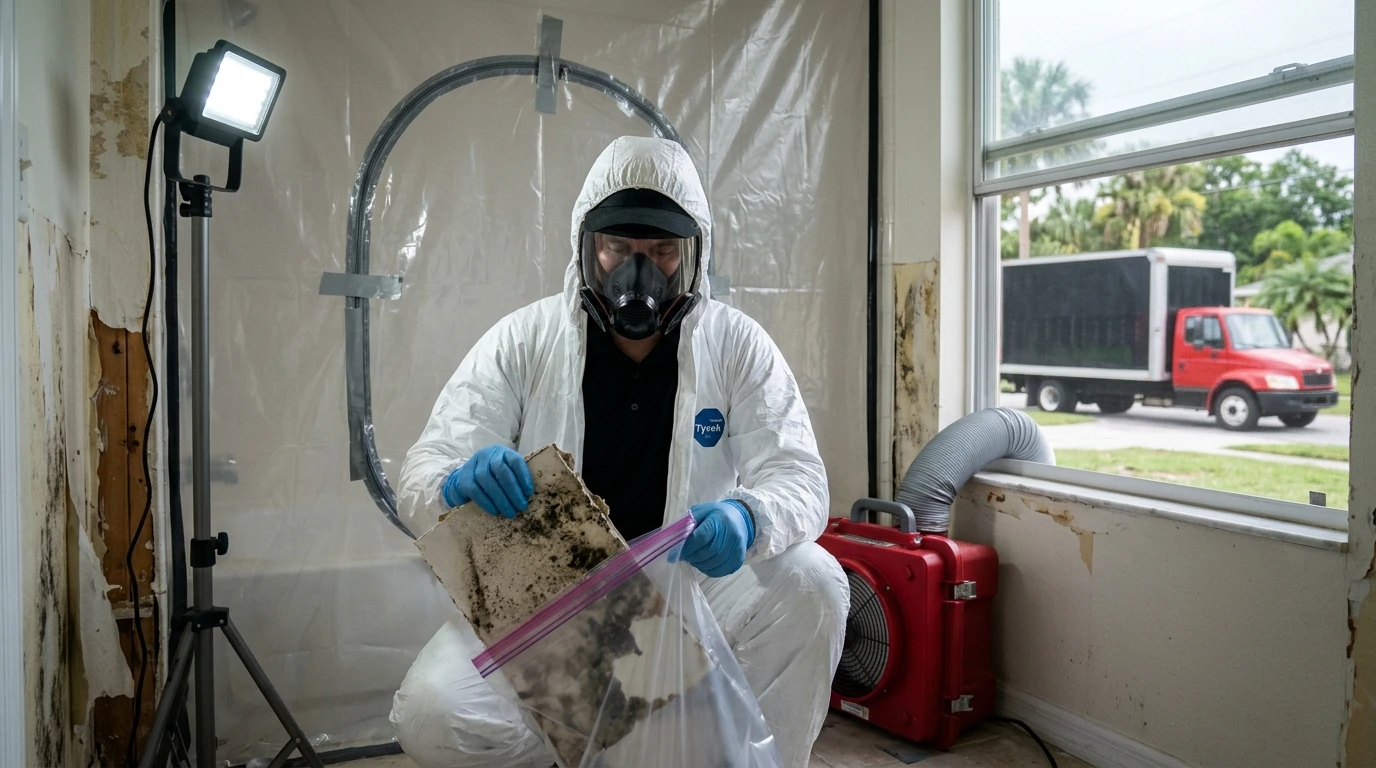
Finally, ask how the company protects the rest of your home. Containment barriers (sealed poly sheeting), negative air pressure, and HEPA filtration aren’t optional extras on a real job. If a company’s plan is “we’ll spray it and wipe it down,” that’s not remediation, that’s a temporary cosmetic fix.
Is the Company Properly Certified and Licensed for Mold Work in Florida?
A legitimate mold remediation company in Florida should hold an active state contractor license and follow the ANSI/IICRC S520 Standard for Professional Mold Remediation, the industry’s recognized protocol for containment, removal, and clearance.
Florida doesn’t issue a standalone “mold remediator” license the way a few other states do, but legitimate firms carry general or specialty contractor licensing (look for a CBC, CGC, or CFC number) plus mold-specific training credentials like NAERMC. You can verify any Florida contractor’s license status directly through the state’s contractor license lookup. DryCor Restore operates under Florida license CBC1253966 and holds an IICRC Certified Firm designation along with NAERMC mold training, which you can and should confirm independently rather than just taking a sales rep’s word for it.
Don’t skip this step because a company has a nice truck or a polished website. Licensing lookups take under two minutes and tell you whether the business is even legally allowed to do structural repair work tied to the remediation, which almost every real mold job eventually needs.
Will the Company Work Directly With Your Insurance Company?
Most homeowners policies cover mold remediation only when the mold grows out of a sudden, covered water loss, like a burst supply line, not from long-term humidity, a slow roof leak, or deferred maintenance. A company that understands this distinction will document the source of moisture carefully, because that documentation is what determines whether your claim gets paid.
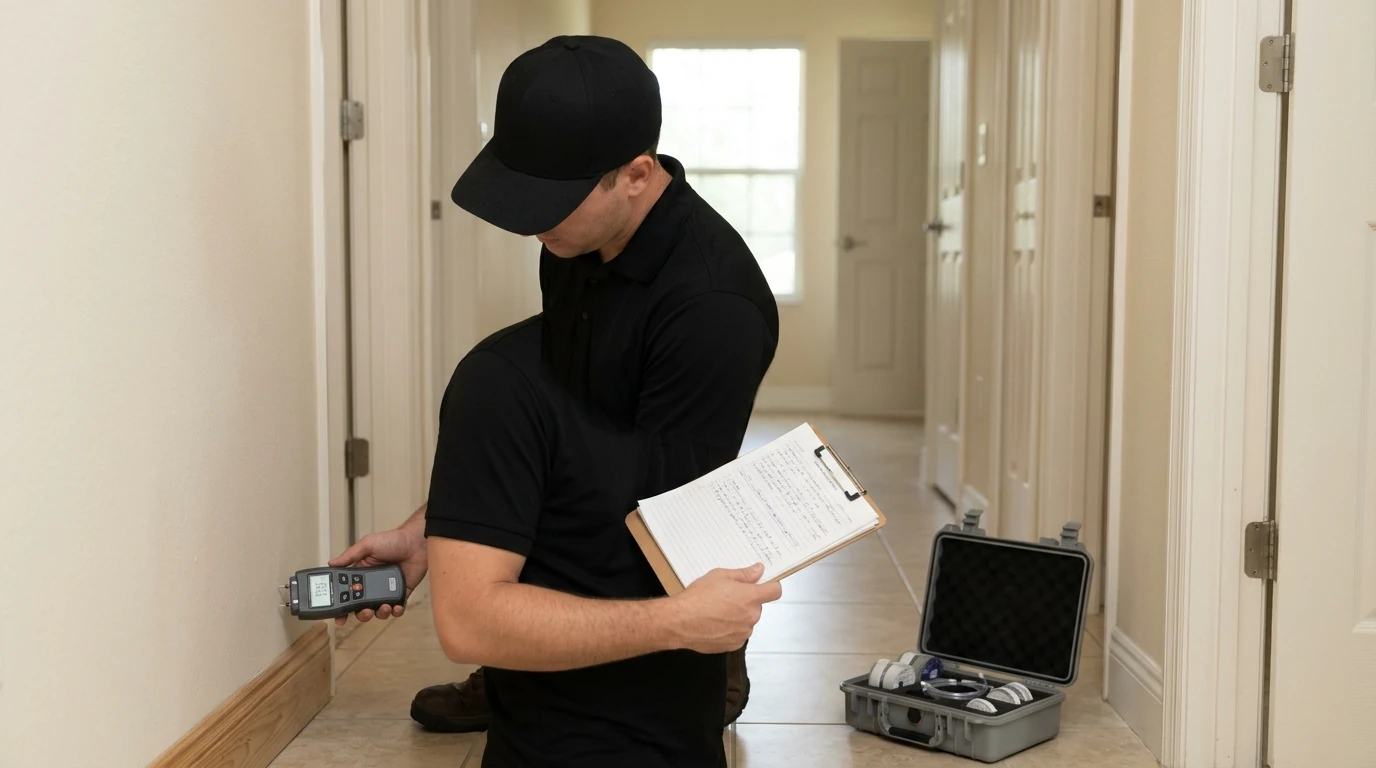
Ask upfront whether the company has an established relationship with insurance carriers, and whether they’ll provide the kind of detailed photo and moisture-mapping documentation an adjuster expects to see. This matters more in mold claims than almost any other restoration category, because adjusters scrutinize the “sudden and accidental” question closely. DryCor Restore is a managed repair preferred vendor for 34 insurance carriers operating in Florida, which means the documentation habits are already built around what those carriers require, not assembled after the fact when a claim gets questioned.
If a company can’t clearly explain how homeowners insurance treats mold (our own guide on choosing a restoration company covers more of these red flags), that’s worth noting before you sign a work authorization.
What Does a Legitimate Mold Remediation Job Actually Involve?
A real mold remediation job moves through containment, removal of affected porous materials, HEPA-filtered air scrubbing, and a post-remediation verification, not a single visit with a spray bottle.
In practice that looks like: sealing off the work area with poly sheeting and setting up negative air pressure so spores don’t spread to clean rooms, removing and bagging contaminated drywall, insulation, or flooring that can’t be cleaned, running HEPA air scrubbers and dehumidifiers to bring humidity down to a stable range, and then a clearance check once the work is done. The EPA’s guidance on mold cleanup reinforces this same sequence: the moisture source gets fixed first, then materials get properly removed, not just treated.
If you’ve been putting off testing altogether and want to understand what’s actually growing before you commit to a remediation scope, our post on how to test for mold walks through DIY kits versus a professional air sample, which is a reasonable first step if you’re not yet sure how far the problem has spread.
What Should You Avoid When Hiring a Mold Remediation Company?
Walk away from any company that quotes a price over the phone without seeing the damage, skips containment on a job larger than a small bathroom spot, or treats clearance testing as a paid add-on rather than a standard closing step.
Other red flags: no written scope of work, pressure to sign same-day without time to review the contract, and vague answers when you ask which standard they follow. A company confident in its process will reference IICRC S520 without hesitation and explain, in plain language, why containment matters in a Tampa Bay climate where humidity sits high most of the year and mold can start growing on a wet surface within 24 to 48 hours per the EPA.
If a company can’t answer these questions clearly on the first call, that’s useful information too; it tells you to keep looking before mold spores spread any further through your Thonotosassa home.
When you’re ready to get an actual inspection on the calendar rather than keep comparing checklists, request a mold assessment and get a written scope before any work begins.
About DRYCOR RESTORE
DRYCOR RESTORE is an IICRC Certified Firm serving Thonotosassa, FL and the greater Tampa Bay area since 2005, operating under Florida license CBC1253966. The company holds NAERMC mold training, EPA Lead-Safe certification, and is a managed repair preferred vendor for 34 insurance carriers in Florida. DryCor’s mold-related work covers mold inspection and testing as well as full mold remediation, alongside its broader water, fire, storm, and reconstruction services for the region.
Need help now? Call DRYCOR RESTORE at (813) 829-1091.